Skip to content
.
November 13, 2026

How Small Operational Improvements Build Long-Term Property Value 

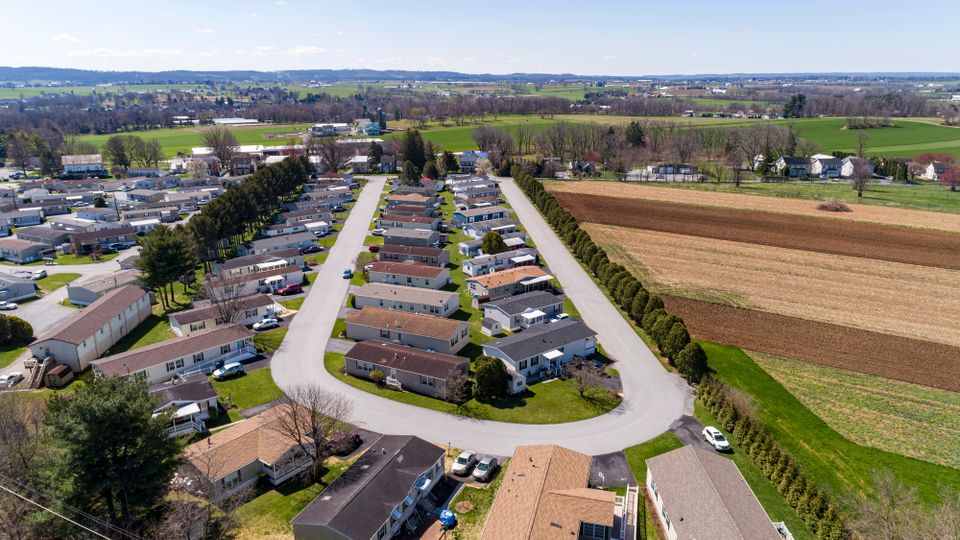
Mobile home park improvements
At a Glance: Improvements Create Investment Value
  • Small wins add up. Routine maintenance and utility optimizations directly reduce operating expenses and expand Net Operating Income (NOI). 
  • Infrastructure protection matters. Early repairs to roads, water, and drainage prevent emergency capital calls and protect long-term asset quality. 
  • Good operations depend on people. Experienced teams know when to follow established processes and when a situation requires a different approach.
  • Consistent management supports long-term performance. Reliable operations build resident satisfaction, lowering turnover and sustaining predictable cash flow. 


A property doesn't need a dramatic transformation to become a better investment. Sometimes the most meaningful improvements are the ones that barely attract attention outside the community.

A repaired water line, a more efficient maintenance schedule, or a better system for tracking expenses may seem relatively minor. Across an entire manufactured housing community, though, those decisions can influence operating costs, resident satisfaction, and financial performance for years to come.

At Suncrest Capital, we look at how a community runs day to day when evaluating an investment.

How Everyday Improvements Can Reduce Property Expenses

When investors hear value-add real estate investing, they often picture major renovations, new amenities, or large construction projects. Those improvements have their place, but plenty of opportunities to create value exist within a property's everyday operations.

An older utility system may need frequent repairs. Maintenance requests might get missed because no one is tracking them in one place. Looking closely at these everyday problems can reveal expenses that could be reduced.

Net operating income (NOI) is the income left after a property’s operating expenses are paid, before loan payments and major capital expenses.

Reducing unnecessary costs can improve NOI, which may contribute to higher property value depending on market conditions. That's why even modest operational improvements can play a meaningful role in a long-term investment strategy.

Infrastructure Improvements That Protect Property Value

Putting off a needed infrastructure repair can lead to a bigger bill later.

Manufactured housing communities depend on water, sewer, roads, drainage, and electrical systems. Their condition affects operating expenses and the everyday experience of residents.

Consider an aging water system. Repeated leaks create repair expenses, unnecessary water usage, and interruptions for residents. Addressing the underlying problem may require an upfront investment, but it can reduce the likelihood of continued emergency repairs.

Other practical mobile home park improvements include:
  • Water and sewer maintenance: Repairing leaks and replacing deteriorating components.
  • Road and drainage repairs: Improving access and preventing avoidable damage.
  • Preventive maintenance: Scheduling regular inspections and addressing problems early.
  • Utility monitoring: Tracking usage to identify unusual changes and potential waste.

These investments may not immediately increase revenue. Their value often comes from preventing future expenses, reducing disruptions, and protecting the property's condition.

Better Systems Make Manufactured Housing Operations More Efficient

Keeping maintenance requests, vendor invoices, and repair records organized helps managers see where time and money are going.

Consider a maintenance team repeatedly servicing the same issue. Without centralized tracking, each call is treated in isolation, wasting time and capital. Better tracking allows management to identify patterns and determine whether a broader solution makes financial sense.

The same approach applies to vendor costs, property inspections, utility expenses, and budgeting. Effective real estate asset management uses this information to make more informed decisions. When operating expenses decrease without compromising property conditions, those savings may improve NOI and support long-term property value.

The Human Side of Real Estate Asset Management

Even with good systems in place, unexpected problems come up.

A repair might reveal a bigger issue. A project may need to change once work begins. What works well at one community may need a different approach at another.

Property managers, maintenance crews, contractors, and asset managers each see different parts of how a community runs. Their experience helps them spot problems, compare options, and decide what to do next.
Keeping track of repairs and following regular maintenance schedules helps everyone stay organized. When something unexpected happens, the team needs to work through it and adjust the plan.

While financial reports flag cost overruns, on-site management provides the context needed to solve the underlying operational issue. 

How Resident Experience Supports Long-Term Performance

The financial health of a manufactured housing community is connected to the people who call it home.

Residents notice when roads are maintained, utilities work reliably, and maintenance concerns receive attention. Those everyday experiences can influence satisfaction and resident retention.

Consistent maintenance, responsive communication, and reliable infrastructure help create a community where residents want to remain. When turnover leaves a lot vacant, the community loses rental income until that space is filled.

Although occupancy depends on several factors, including local housing demand and affordability, a well-operated community is better positioned to serve residents and support stable property performance.

Measuring the Value of Mobile Home Park Improvements

Spending money on a property doesn't automatically increase its value. Successful value-add investing requires understanding what an improvement will cost and what it is expected to accomplish.

Some projects generate measurable savings relatively quickly. Others address deferred maintenance, reduce risk, or protect infrastructure over the long term.

Before approving the work, managers need to ask: What problem will this fix? What will it cost? How will we know it worked?

Tracking results is equally important. If a utility upgrade is intended to reduce water expenses, subsequent utility bills can help determine whether the investment delivered the expected savings.

That information helps guide future decisions and provides a clearer picture of how operational improvements contribute to investment performance.

Building Long-Term Value Through Manufactured Housing Asset Management

At Suncrest Capital, we recognize the importance of disciplined property evaluation and thoughtful asset management in pursuing long-term investment value. Strong communities benefit from careful planning, experienced people, and a willingness to keep improving how properties operate.

Interested in learning more about our approach to mobile home community investing? Contact Suncrest Capital to explore our investment philosophy and current opportunities.

.