
Skip to content
.
April 19, 2026

The Rise of Manufactured Housing in Growing Markets

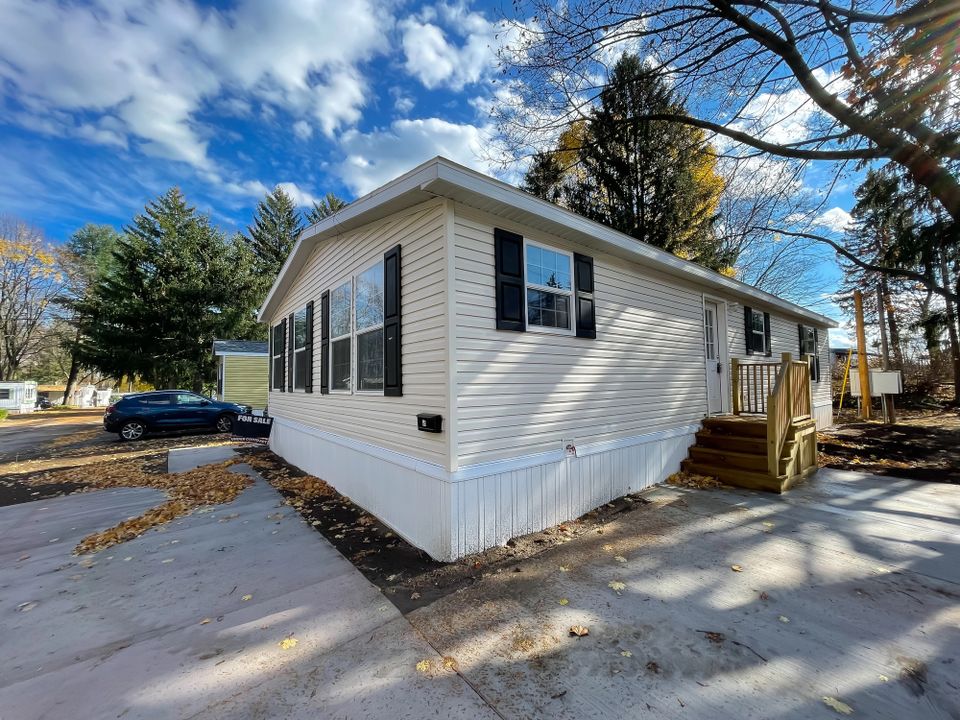
Mobile home community
Manufactured housing demand continues to gain attention across the United States, especially in high-growth regions. Affordability pressures are part of the conversation, but they are only one piece of a much bigger picture.

Population shifts, zoning barriers, employment growth, and workforce housing needs are all shaping manufactured housing demand and influencing real estate market trends that impact mobile home park investing.

To understand what is really driving this sector, it helps to focus on three practical questions. 

1. Why Supply Constraints Are Shaping Manufactured Housing Demand

One of the most important realities in manufactured housing is simple: new supply is hard to add.

Unlike apartments or single-family subdivisions, new mobile home park development is relatively rare in many markets. And that is not by accident.

Several barriers limit new supply:
  • Zoning regulations that restrict or prohibit new communities
  • Municipal priorities that favor high-density residential, retail, or industrial projects
  • Community pushback or political opposition
  • Scarcity of large land lots that are also near community and employment hubs
  • Infrastructure needs such as road access, drainage, and utilities
  • Rising land costs in growing markets

Well-located land is increasingly expensive, and placing affordable housing too far from jobs creates transportation challenges for residents. For a new development to work, it must be close enough to employment and community services while still making economic sense.

Because of these constraints, the total number of manufactured housing communities has remained relatively flat in many regions. When demand rises in a sector where supply is difficult to expand, competition for existing properties naturally increases. That structural limitation is one reason many investors view manufactured housing as fundamentally different from other real estate asset classes.

2. How Workforce Housing and Job Growth Drive Manufactured Housing Demand

Supply constraints only tell part of the story. Demand is also shaped by where people are moving and where jobs are growing.

Since 2020, many households have shifted away from dense urban cores toward suburban and secondary markets. Some are looking for affordability. Others are seeking space or job opportunities. In growing regions with diversified industries and stable employment bases, housing demand tends to be more consistent.

This is where workforce housing becomes especially important.

Many working households fall into an income range that is often overlooked by traditional development.

This includes:
  • Teachers
  • Healthcare workers
  • Logistics and warehouse employees
  • Municipal and public sector staff
  • Service industry professionals

Much of what is labeled as affordable housing relies on subsidies or apartment-style formats. Manufactured housing communities, on the other hand, often provide attainable single-family living within organized communities and neighborhoods at a price point that better aligns with the working household.

At the same time, affordability still matters on a practical level. Strong occupancy may create room for gradual rent increases, but those increases must remain in line with local incomes. When rent begins to move too far ahead of wages, retention can suffer. In markets with weaker employment trends, a more cautious approach may be necessary.

In these growing markets with expanding job bases, mobile home demand is closely tied to workforce stability and the health of the local economy. It is not just about lower cost. It is about alignment with real incomes and real employment patterns.

3. Stabilization and Long-Term Performance in Mobile Home Park Investing

In mobile home park investing, long-term performance rarely comes from a dramatic change. More often, it comes from steady operations and disciplined management.

A stabilized community typically operates with:
  • Predictable occupancy
  • Consistent cash flow
  • Fewer unexpected disruptions
  • More stable expense patterns

Before a community becomes stabilized, there is often work to do. That might include fixing deferred maintenance, upgrading utilities, or improving day-to-day operations. During that period, income and expenses can move around more than usual.

Stabilized communities are not just about occupancy. They are about consistency. When operations are steady and infrastructure is in good condition, management can focus less on corrections and more on long-term performance.

For investors, stabilization matters because many returns, refinancing events, or distribution milestones are tied to when a property reaches steady performance. That is why clear underwriting and realistic timelines are so important.

These factors together help explain why manufactured housing continues to attract attention from both operators and investors.

The Future of Mobile Home Park Demand in Growing Markets

Manufactured housing demand is influenced by more than a single headline trend. Affordability pressures provide important context, but zoning constraints, land economics, workforce housing needs, and employment growth patterns all play a role in shaping outcomes.

As real estate market trends continue to shift, disciplined market selection and steady operations remain critical in mobile home park investing. By focusing on regions with sustainable job growth, structural supply constraints, and long-term workforce housing demand, Suncrest Capital evaluates opportunities with an emphasis on stability, affordability, and responsible growth.

Through disciplined investment and a long-term perspective, Suncrest Capital works to strengthen manufactured housing communities while creating investment opportunities for investors seeking exposure to this resilient asset class. To learn more about our investment approach, contact our team at investors@suncrestcap.com, call (888) 750-8050, or visit our Investor Education resources.
.